Our Work / Game of Tomorrow

What would you do if the future arrived today?

Game of Tomorrow is a live stock-market simulation that takes players into a world being reshaped by technology, climate, politics, and trade.

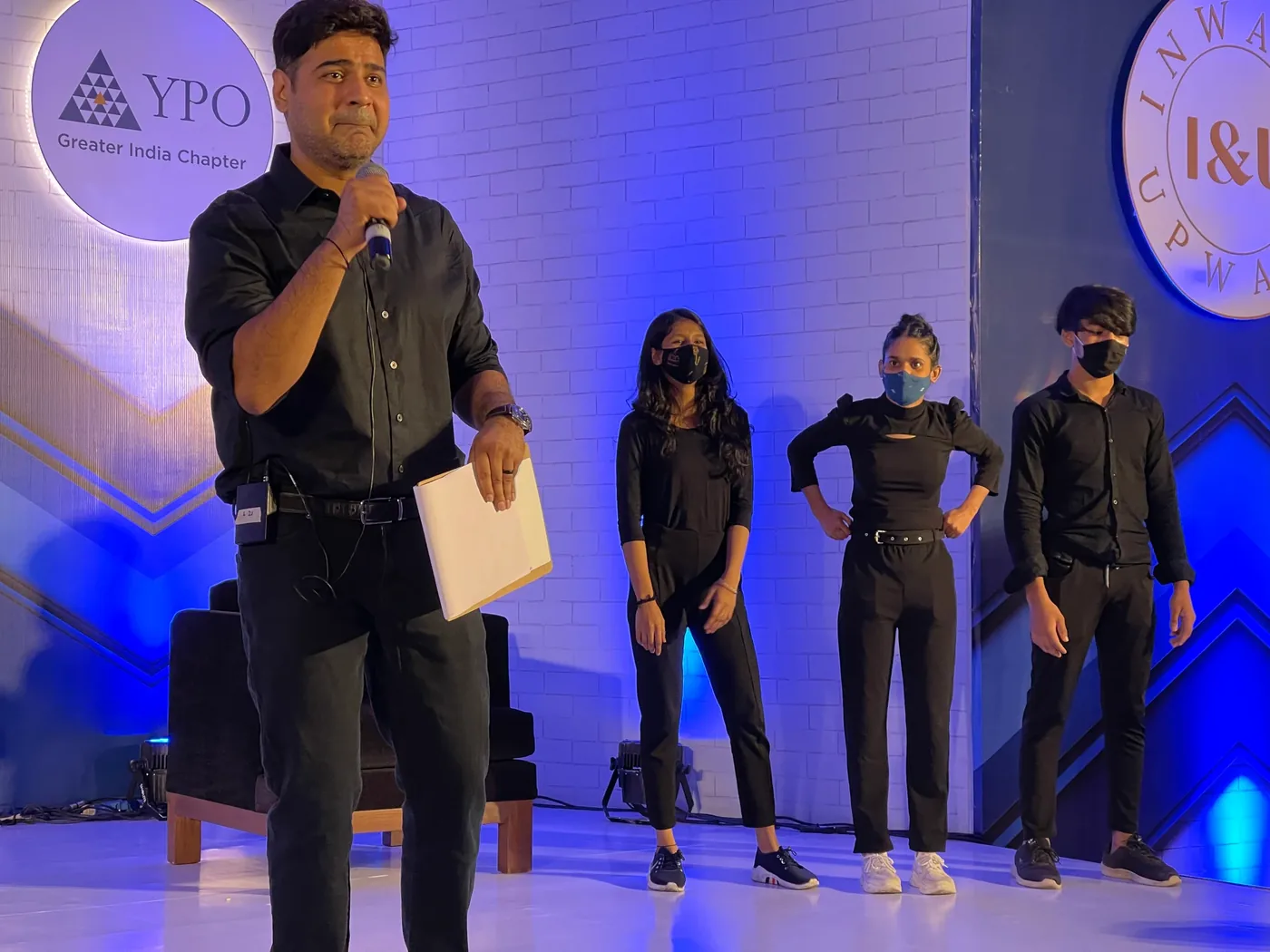
A host speaks into a microphone while performers stand on stage

Why it began

Game of Tomorrow began with a problem: some of India's sophisticated capital-market audiences were hearing constantly about forces such as AI, climate change, and new food systems, yet those forces were still easy to treat as distant ideas.

Another conference talk was unlikely to change that. The design question became: what if people had to make decisions inside the future instead of listening to someone describe it?
Step into the game

Players enter a live market of imagined companies and decide where to put their money. Then the world changes around them. News breaks. Signals arrive. Performers, short films, radio bulletins, and changing scenarios alter what they thought they knew.

The key design choice is consequence. Players have to buy, sell, hold, and revise. Their assumptions become visible through what they choose.

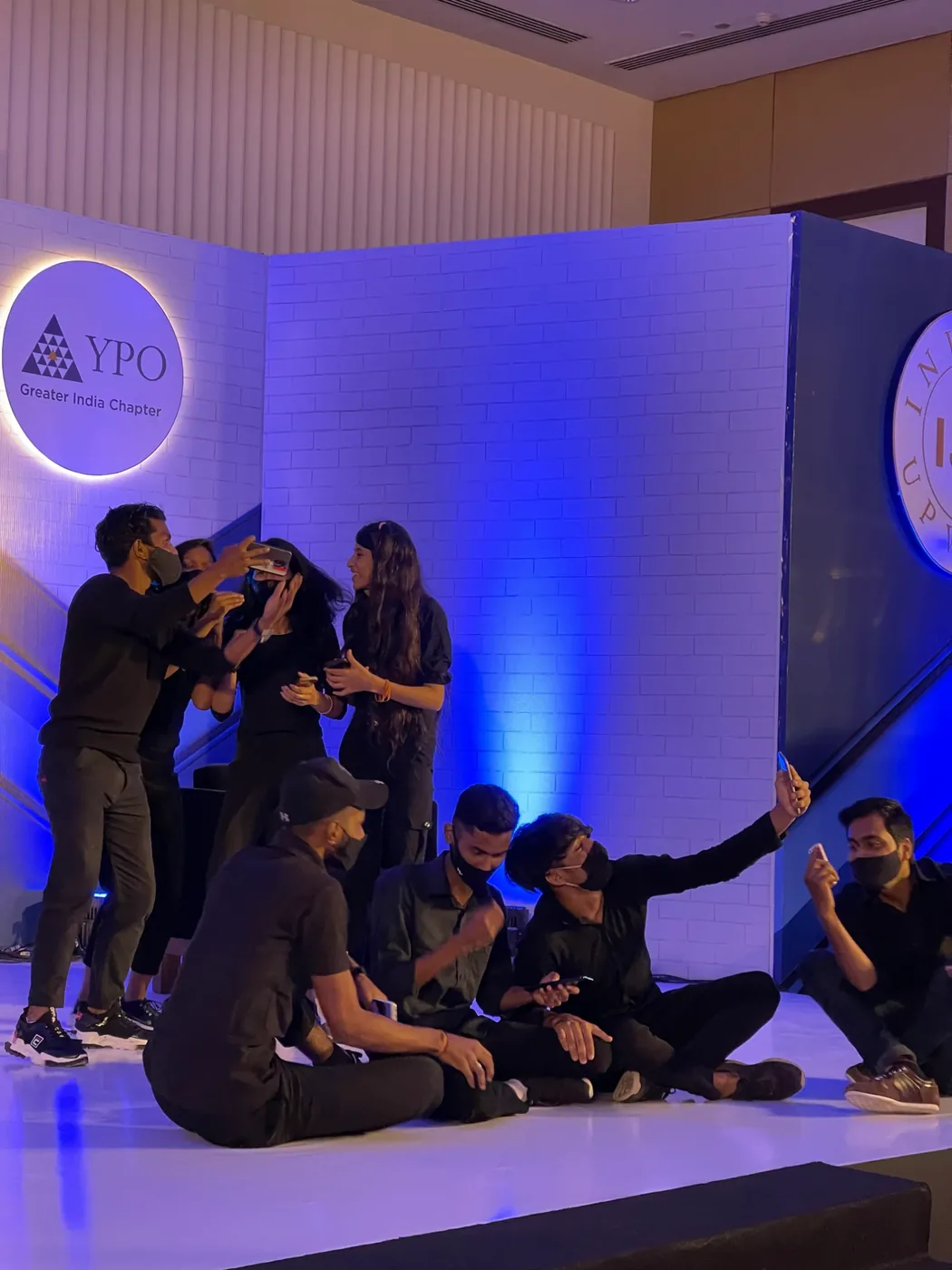
Performers gather on stage during a scenario in Game of Tomorrow

What did you notice?

In debriefs, players could often vividly recall the scenarios and the reasoning behind their decisions. That gives the room something concrete to examine together: the risks they took, the futures they believed in, the signals they ignored, and what changed their minds.

A game that can change worlds

The underlying format is deliberately malleable. Versions have been used to explore climate futures, early childhood, and the jobs young people may encounter in a changing economy. The world changes, but the central move stays the same: make an uncertain future tangible enough to choose inside it.

Designed for decision-makers

Game of Tomorrow is primarily for leadership teams, investors, funders, and senior decision-makers who need to examine how a changing world could affect the choices they make now. The format has also been adapted for young people and public-interest audiences.

Practical format

Duration
90–120 minutes.
Group size
20–120 participants.
Delivery
In person is strongly recommended because the physical environment and live interaction make the experience visceral and immersive. A remote version is available when needed.
Ready-to-commission worlds
Climate, Future of Work, and Future of Education.
Custom worlds
Themes such as the Future of Money, Healthcare, Mobility, or another client-specific question can be designed around the audience and context.
Process
Every session includes facilitation and a debrief so participants can examine their choices and identify what they may do differently.

Bring it into your room.

Interested in Game of Tomorrow for your group? Tell us who would be playing, what you would like them to explore, and whether an existing or custom world would serve them best.